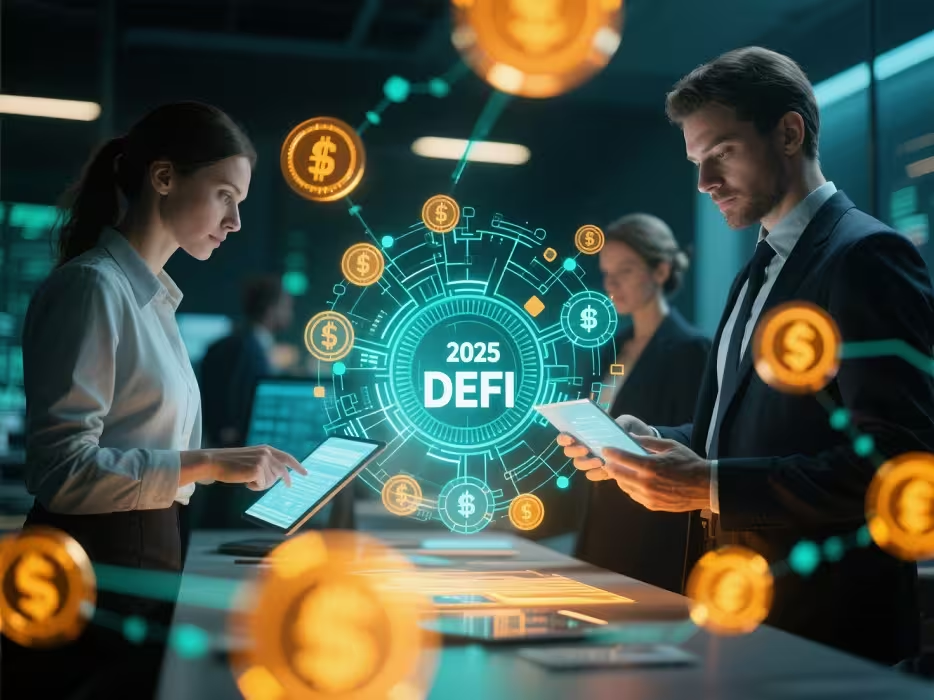
Lanskap digital sedang mengalami transformasi paling dramatis sejak lahirnya internet itu sendiri. Seiring para pelaku bisnis berlomba-lomba memahami implikasi teknologi Web3, muncul pertanyaan kritis: Apakah pergeseran revolusioner ini sepadan dengan investasinya, ataukah hanya gelembung teknologi lain yang menunggu untuk meletus? Web3 vs Web2: Apa yang Perlu Diketahui Para Pelaku Bisnis .
Pertarungan Web3 vs Web2: Apa yang Harus Diketahui Setiap CEO
Yayasan: Memahami Keterbatasan Web2
Web2, paradigma internet kita saat ini, telah mendominasi selama hampir dua dekade. Dibangun di atas platform terpusat seperti Facebook, Google, dan Amazon, Web2 menciptakan peluang yang belum pernah ada sebelumnya bagi bisnis untuk menjangkau audiens global. Namun, di balik kesuksesannya terdapat kelemahan mendasar yang dijanjikan Web3 untuk diatasi.
Dalam ekosistem Web2, raksasa teknologi mengendalikan data pengguna, mendikte aturan platform, dan mengekstrak nilai dari interaksi digital. Bisnis beroperasi sebagai penyewa, alih-alih pemilik, sehingga rentan terhadap perubahan algoritma, pembaruan kebijakan, dan ketergantungan platform yang dapat menentukan keberhasilan atau kegagalan strategi digital mereka dalam sekejap.
Bayangkan banyaknya usaha kecil yang hancur akibat perubahan algoritma Facebook atau para kreator konten yang kehilangan mata pencaharian ketika platform mengubah kebijakan monetisasi. Skenario-skenario ini menyoroti kelemahan utama Web2: pemusatan kekuasaan di tangan segelintir entitas korporat.
Masuki Web3: Revolusi Terdesentralisasi
Web3 vs. Web2 mewakili lebih dari sekadar peningkatan teknologi—ini adalah pembaruan mendasar tentang cara kerja internet. Dibangun di atas teknologi blockchain, Web3 menjanjikan desentralisasi, kepemilikan pengguna, dan pertukaran nilai langsung antar pengguna.
Berbeda dengan arsitektur server-klien Web2, Web3 beroperasi pada jaringan terdistribusi di mana tidak ada entitas tunggal yang mengendalikan infrastrukturnya. Kontrak pintar menggantikan perantara tradisional, memungkinkan pelaksanaan perjanjian secara otomatis tanpa memerlukan kepercayaan pada otoritas terpusat.
Bagi bisnis, perubahan ini menghadirkan peluang yang belum pernah terjadi sebelumnya sekaligus tantangan rumit yang memerlukan navigasi yang cermat.
Perbedaan Utama yang Penting bagi Bisnis
Kepemilikan Data dan Privasi
Di Web2, data pengguna adalah milik pemilik platform. Perusahaan seperti Google dan Facebook memonetisasi informasi ini sementara pengguna menerima layanan sebagai imbalannya. Web3 membalikkan model ini sepenuhnya.
Web3 memungkinkan pengguna untuk memiliki identitas dan data digital mereka sendiri melalui dompet kriptografi dan solusi penyimpanan terdesentralisasi. Bisnis tetap dapat mengakses wawasan pelanggan, tetapi mereka harus memberikan nilai langsung sebagai imbalannya, sehingga menciptakan hubungan data yang lebih transparan dan etis.
Model Pendapatan dan Monetisasi
Bisnis Web2 terutama bergantung pada pendapatan iklan, model berlangganan, dan komisi platform. Web3 memperkenalkan tokenisasi, yang memungkinkan bisnis menciptakan mata uang digital mereka sendiri, memberi penghargaan kepada pelanggan setia dengan token kripto, dan berpartisipasi dalam ekosistem keuangan terdesentralisasi (DeFi).
NFT (Non-Fungible Token) memungkinkan bisnis untuk membuat aset digital yang unik, dari barang koleksi hingga token keanggotaan, membuka aliran pendapatan yang sama sekali baru yang sebelumnya tidak mungkin dilakukan di lingkungan Web2.
Hubungan dan Keterlibatan Pelanggan
Platform Web2 memediasi semua interaksi pelanggan, membatasi hubungan langsung antara bisnis dan konsumen. Web3 memungkinkan koneksi peer-to-peer langsung melalui aplikasi terdesentralisasi (dApps), yang memungkinkan bisnis membangun hubungan yang lebih kuat dan autentik dengan audiens mereka.
Tata kelola yang digerakkan oleh komunitas melalui Organisasi Otonom Terdesentralisasi (DAO) memungkinkan pelanggan berpartisipasi dalam keputusan bisnis, menciptakan tingkat keterlibatan dan loyalitas yang belum pernah terjadi sebelumnya.
Aplikasi Dunia Nyata yang Mengubah Industri
Revolusi Layanan Keuangan
Perbankan tradisional menghadapi gangguan dari protokol DeFi yang menawarkan pinjaman, peminjaman, dan perdagangan tanpa perantara. Bisnis dapat mengakses pasar modal global 24/7, mengurangi biaya transaksi, dan melayani populasi yang sebelumnya terpinggirkan.
Transparansi Rantai Pasokan
Buku besar Web3 yang tidak dapat diubah memungkinkan visibilitas rantai pasokan yang lengkap. Bisnis dapat membuktikan keaslian produk, melacak dampak lingkungan, dan membangun kepercayaan konsumen melalui data yang dapat diverifikasi, alih-alih klaim pemasaran.
Industri Kreatif dan Perlindungan Hak Kekayaan Intelektual
Seniman, musisi, dan pembuat konten dapat memonetisasi karya mereka secara langsung melalui pasar NFT, mempertahankan hak kepemilikan, dan memperoleh royalti berkelanjutan secara otomatis melalui kontrak pintar.
Tantangan Implementasi yang Harus Diatasi Bisnis
Kompleksitas Teknis
Teknologi Web3 masih kompleks dan kurang ramah pengguna. Perusahaan harus berinvestasi dalam keahlian teknis, edukasi pengguna, dan desain antarmuka agar solusi Web3 dapat diakses oleh khalayak umum.
Ketidakpastian Regulasi
Regulasi pemerintah kesulitan mengimbangi inovasi Web3. Bisnis yang beroperasi di bidang ini menghadapi tantangan kepatuhan dan potensi risiko hukum yang memerlukan navigasi yang cermat.
Batasan Skalabilitas
Jaringan blockchain saat ini memproses lebih sedikit transaksi dibandingkan sistem tradisional. Bisnis harus mempertimbangkan batasan kinerja saat merancang solusi Web3 untuk operasi skala besar.
Kekhawatiran Konsumsi Energi
Beberapa jaringan blockchain mengonsumsi energi yang signifikan, menimbulkan pertanyaan tentang keberlanjutan bagi bisnis dan konsumen yang sadar lingkungan.
Pertimbangan Strategis bagi Pemimpin Bisnis
Pendekatan Integrasi Bertahap
Alih-alih transformasi total, bisnis yang sukses mengadopsi model hibrida yang menggabungkan keandalan Web2 dengan inovasi Web3. Pendekatan ini meminimalkan risiko sekaligus memungkinkan eksperimen dengan teknologi baru.
Investasi Edukasi Pelanggan
Adopsi Web3 membutuhkan edukasi pelanggan yang signifikan. Bisnis harus berinvestasi dalam menjelaskan konsep-konsep baru, menyediakan antarmuka yang ramah pengguna, dan membangun kepercayaan pada teknologi yang belum dikenal.
Kemitraan dan Kolaborasi
Ekosistem Web3 berkembang pesat berkat kolaborasi. Bisnis diuntungkan dengan bermitra dengan pengembang blockchain, bergabung dengan konsorsium industri, dan berpartisipasi dalam proyek sumber terbuka, alih-alih membangun semuanya secara internal.
Lanskap Persaingan Sedang Berubah
Para pengadopsi awal Web3 mendapatkan keunggulan kompetitif yang signifikan melalui hubungan langsung dengan pelanggan, pengurangan biaya perantara, dan akses ke pasar global tanpa batasan geografis. Namun, peluang untuk adopsi awal semakin sempit seiring perusahaan-perusahaan besar memulai transisi ke Web3.
Perusahaan yang menunda eksplorasi Web3 berisiko tertinggal seiring berkembangnya ekspektasi konsumen dan munculnya model bisnis baru. Pertanyaannya bukanlah apakah Web3 akan berdampak pada industri Anda, tetapi seberapa cepat Anda dapat beradaptasi untuk memanfaatkan peluangnya.
Mempersiapkan Strategi Bisnis Anda untuk Masa Depan
Perdebatan Web3 vs. Web2 pada akhirnya bermuara pada persiapan menghadapi perubahan yang tak terelakkan. Meskipun platform Web2 akan terus menjalankan fungsi-fungsi penting, teknologi Web3 menawarkan kendali tak tertandingi bagi bisnis atas masa depan digital mereka.
Keberhasilan dalam transisi ini memerlukan keseimbangan antara inovasi dengan implementasi praktis, pemahaman terhadap peluang maupun keterbatasan teknologi baru, dan mempertahankan fokus dalam memberikan nilai asli kepada pelanggan, apa pun teknologi yang mendasarinya.
Bisnis yang berkembang dalam paradigma baru ini adalah bisnis yang merangkul perubahan sambil mempertahankan nilai-nilai inti mereka, berinvestasi dalam memahami kebutuhan pelanggan yang terus berkembang, dan membangun strategi fleksibel yang dapat beradaptasi seiring dengan matangnya ekosistem Web3.
Masa depan bisnis bukan hanya digital—tetapi terdesentralisasi. Pertanyaannya adalah: Akankah Anda memimpin transformasi atau ditransformasikan olehnya?